


Unveiling Nakagawa Shuji: The Man Who "Does Not Create"
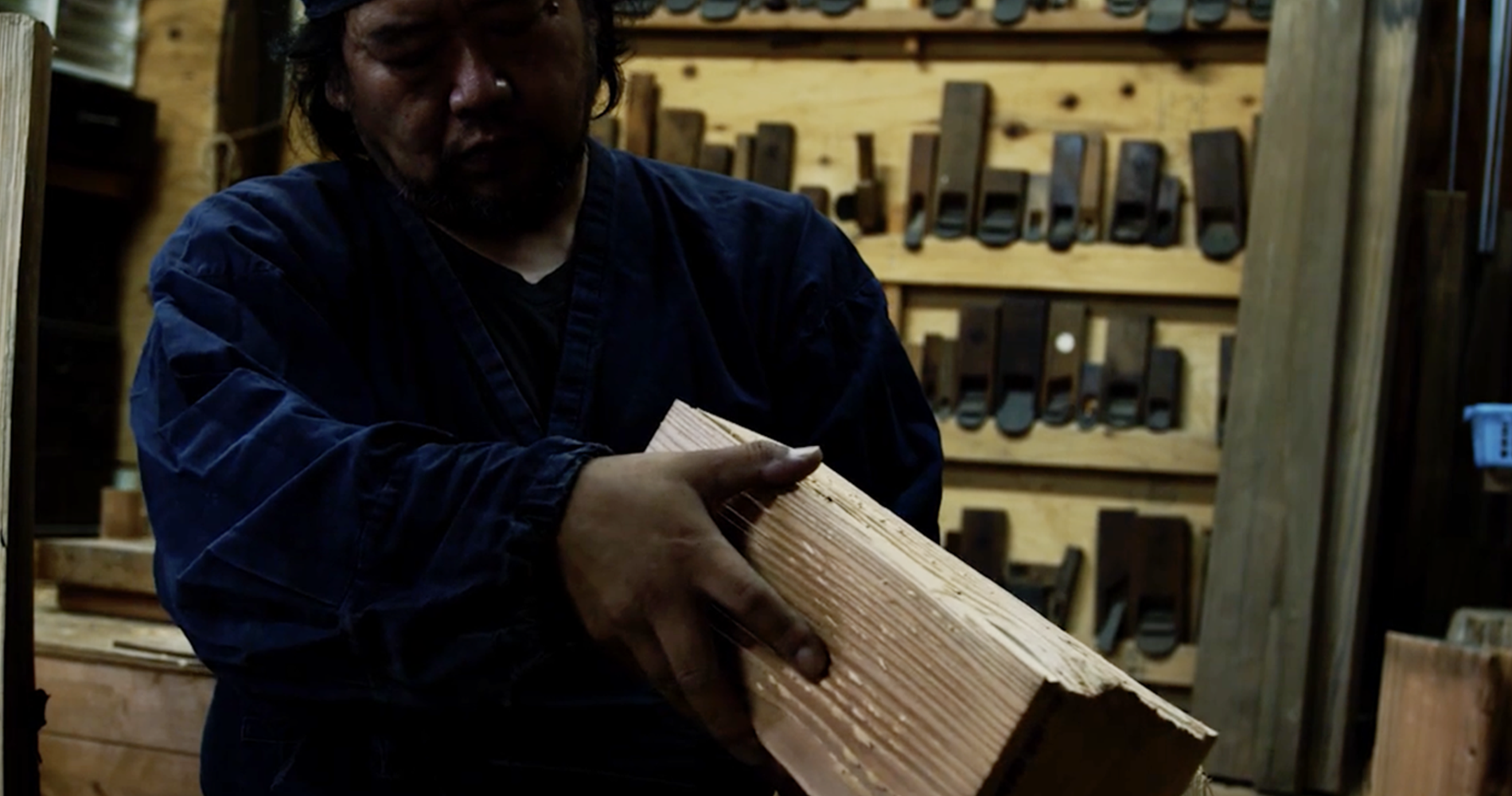
In the making of KUROKOHAKU’s wooden wine casket, we turned to Nakagawa Shuji, whose expertise is of Japanese contemporary artistry and traditional woodworking mastery. On the other hand, when it comes to choosing the material, there was no other but only the pristine cedar from Shirataka’s verdant forests. After all, what material could be better than THIS?
Upon inquiry about his approach to the project, the wood craftsman’s response was unexpected yet profound:
"I shall intervene as little as possible."
At first perplexing, this concept swiftly unfurled its profound wisdom. Nakagawa’s intent was not to dictate, but rather to unveil – enabling Shirataka’s cedar to embody its essence through the deftness of his hands.
"I gaze upon the raw timber, engage in silent communion, and only when its story becomes clear do I dare to wield my tools. Beyond that, I intervene no further."
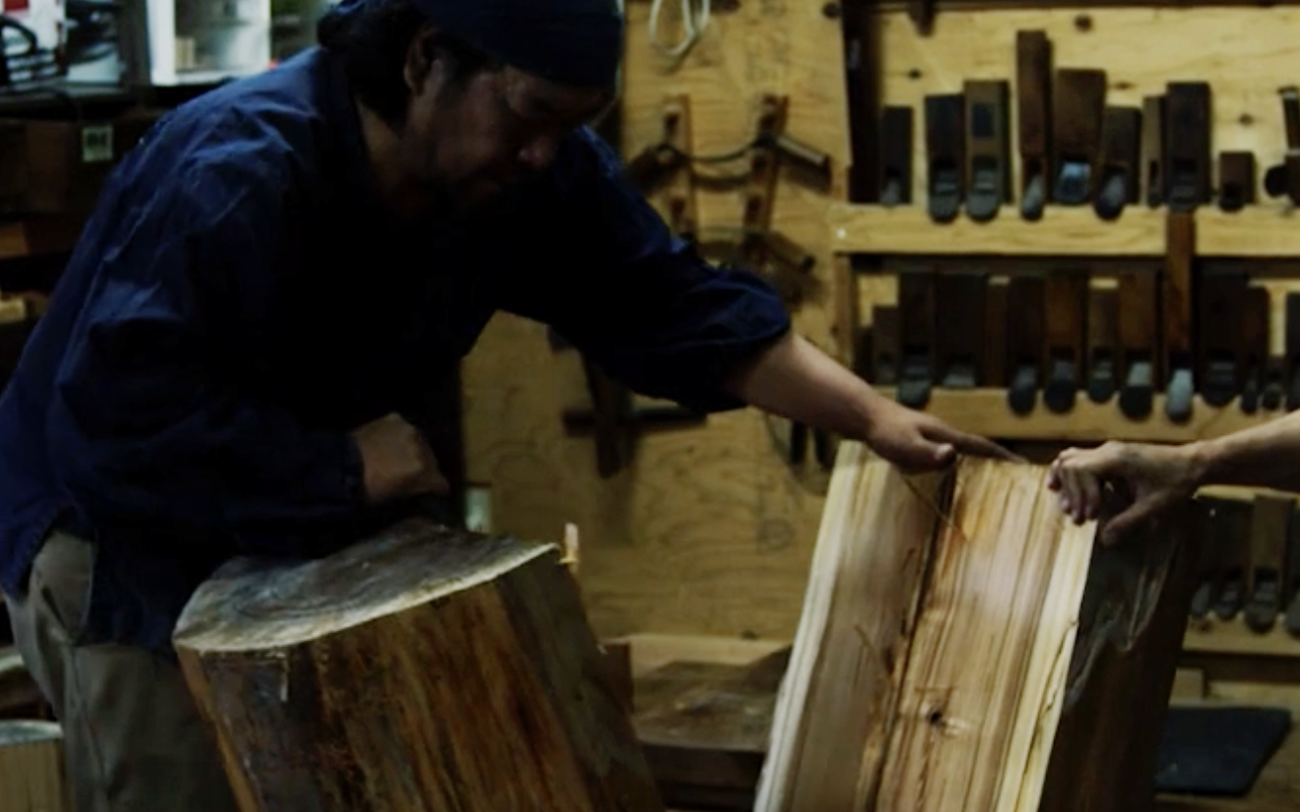
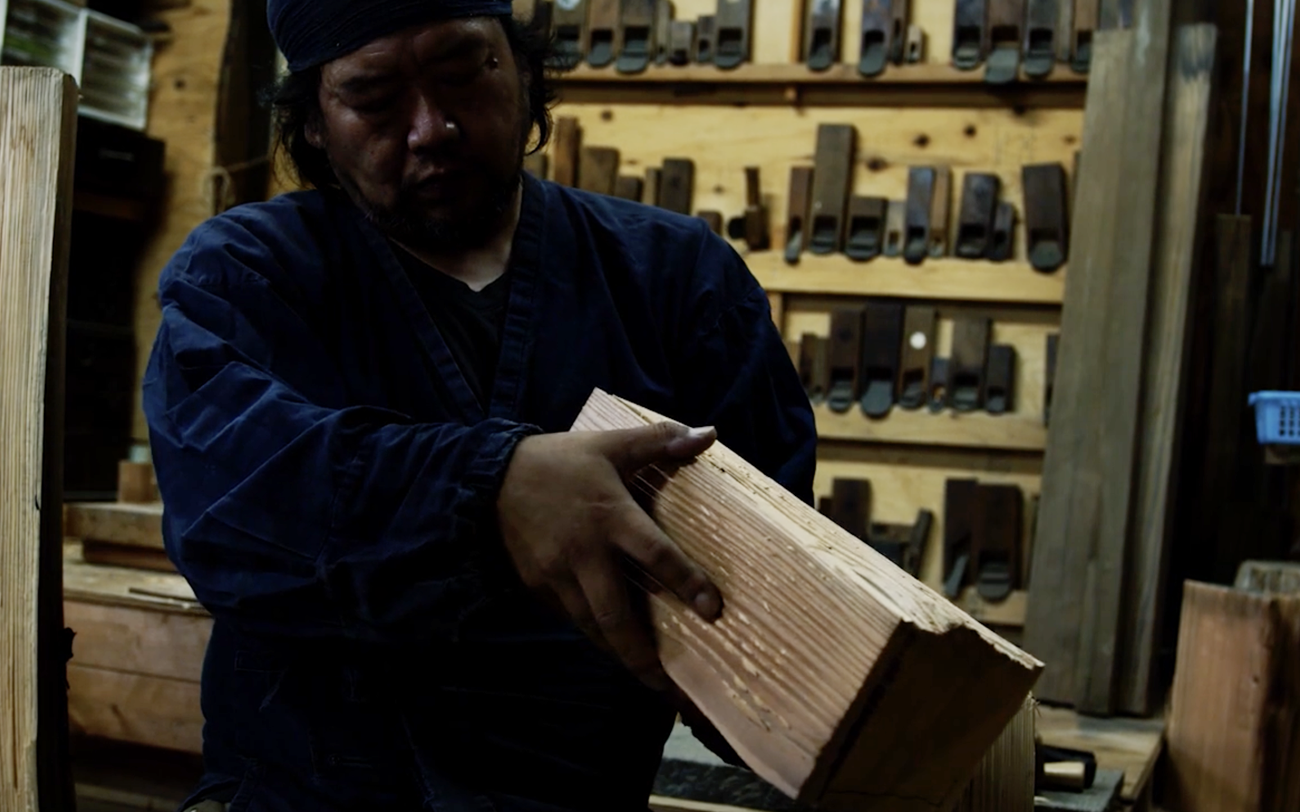
Crafting a wooden wine casket that pulses with nature's rhythm – this was Nakagawa's vision, perfectly aligned with KUROKOHAKU's mission of embodying the terroir of Shirataka.
Let’s re-introduce the individual mentioned above: The name of the wood craftsman is Nakagawa Shuji, the third heir of ‘Nakagawa Woodcraft’ who hails from the cultural heartlands of Kyoto and Shiga. Descended from artisans whose skills were honed during the Kamakura (1185-1333) and Muromachi (1333-1568) eras, Nakagawa's mastery is renowned, his creations revered as epitomes of cooperage craftsmanship.

Yet, he's not bound by tradition alone, often pushing boundaries with innovative designs.
In 2010, the Master crafted an iconic champagne cooler for Dom Pérignon, a testament to his ingenuity. Five years later, his KI-OKE stool earned a permanent place in London's Victoria and Albert Museum, catapulting him to global acclaim.
Nakagawa's philosophy revolves around doing as little as possible – not merely creating, but coaxing out the hidden poetry within each piece of cedar. Thus, each creation is a unique revelation, an original masterpiece born from the silent dialogue between craftsman and timber.
"I refrain from imposing my will upon the wood. To envision its shape risks tainting its purity, steering it towards artifice."
To desire and to strive: These are antithetical to Nakagawa's creed. Understanding his ethos requires a deep connection with nature, a gaze honed by years of reverence.
"We must attune ourselves to the wood's voice, to question and listen, allowing nature to guide our hands."
This process is far from routine; it's a dance with the divine, a rejection of modernity's relentless march towards uniformity. Nakagawa likens it to unearthing fossils, a testament to the raw, untamed power of Shirataka's cedar.
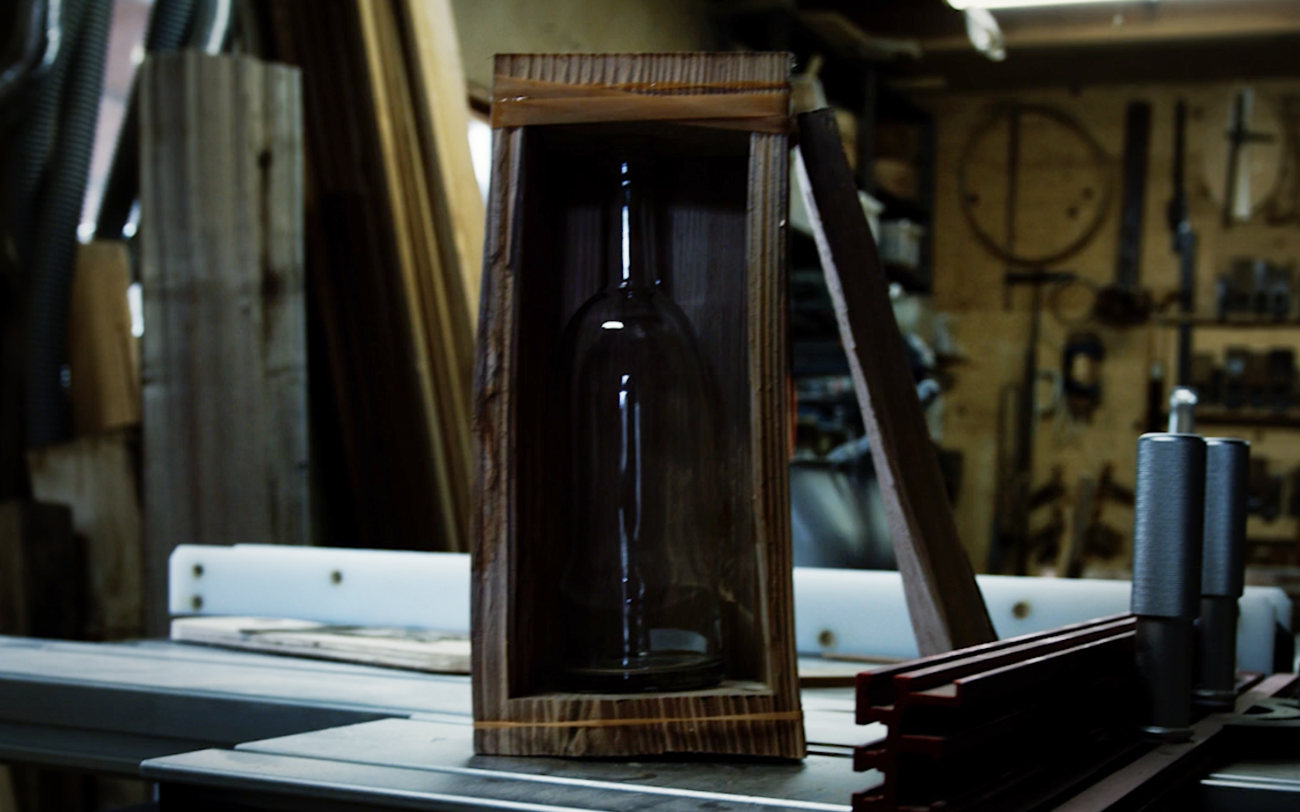
Each encounter with the timber is a revelation, an exploration of Shirataka's essence. And the resulting creation transcends mere function – it becomes a conduit for the sacred, an embodiment of Shirataka's timeless spirit.