


‘Miyama Washi’: The Exceptional Handmade Japanese Paper that Became Shirataka's Pride
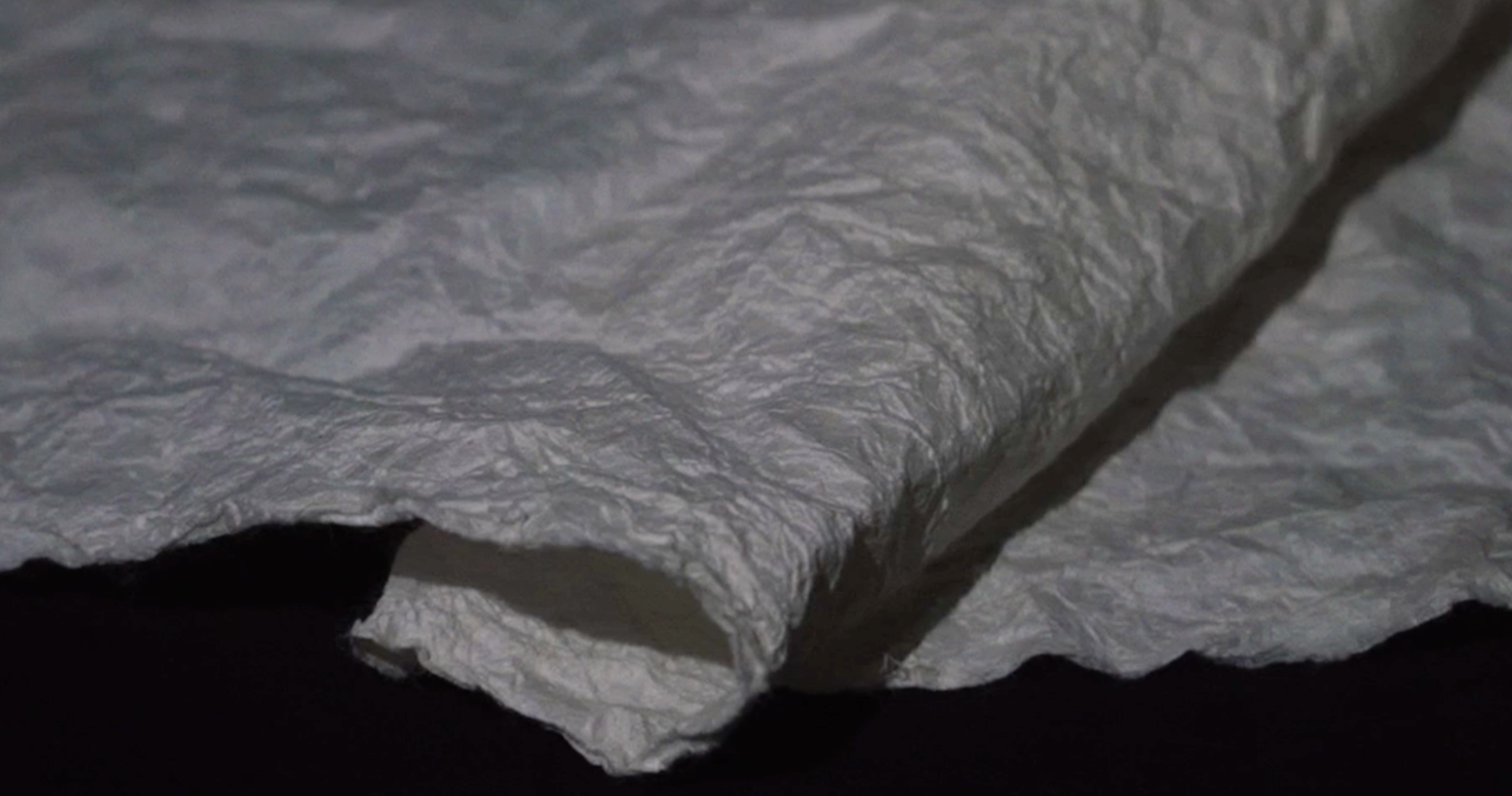
For centuries, handmade Japanese paper known as ‘washi’ has been cherished by people across Japan. Not only renowned for its unique texture, but also for its resilience achieved through the meticulous layering of fibers during the handcrafting process. With a reputation of lasting a millennium, it's been utilized in the restoration of cultural treasures worldwide.
Within KUROKOHAKU’s wooden wine casket, the delicate washi enveloping the noble sake has historically been esteemed.
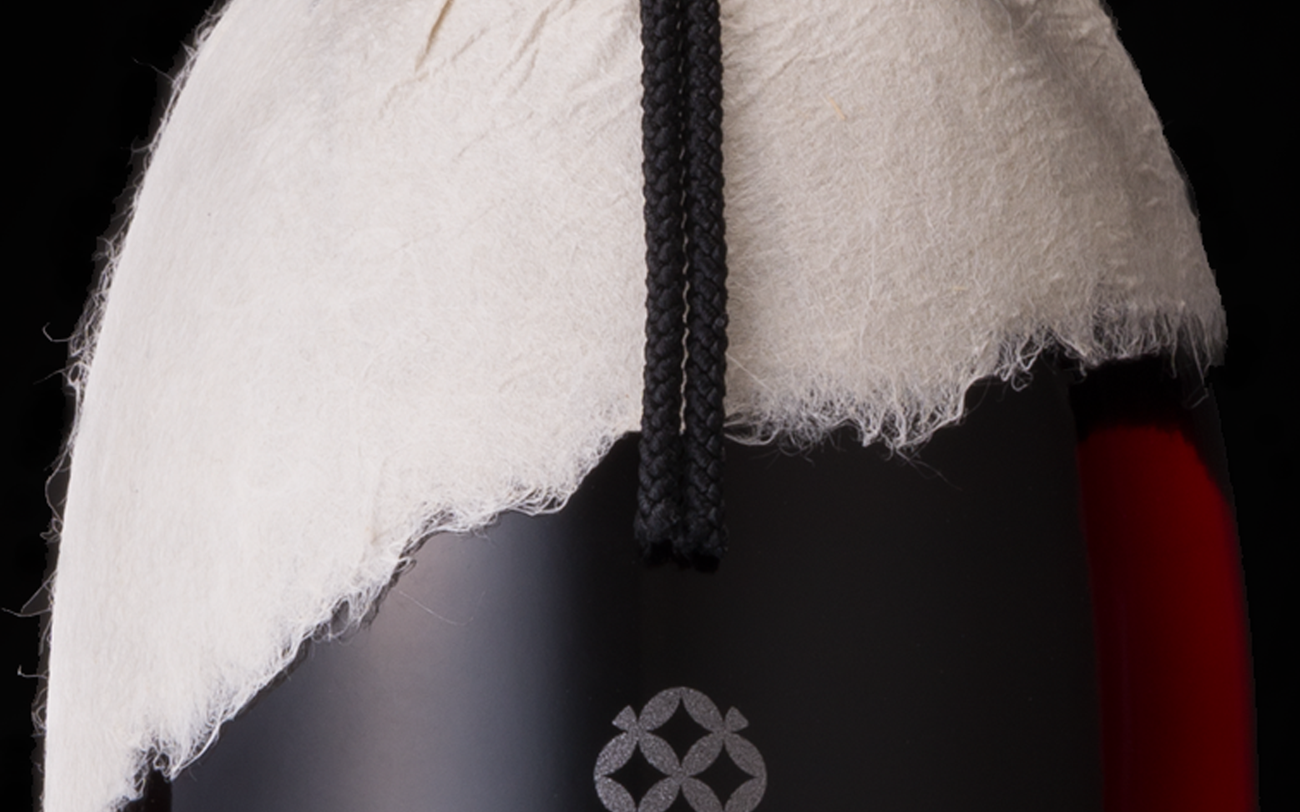
Known as ‘Miyama Washi’, as the name suggests, its place of origin lies in the northern reaches of Shirataka, namely, in the Miyama district. This handmade paper bears both strength and flexibility. With its warm texture, it gently inspires those who hold it.
Its origins trace back to 450 years ago – to the tumultuous Sengoku and Muromachi periods, when warlords vied for supremacy.
Even then, the quality of Miyama Washi was highly regarded. It was used as official stationery for the ruling Uesugi clan of Yonezawa, who governed this region. Historical records from the 17th century indicate its value as ‘specially crafted paper’ for submission to the shogunate.
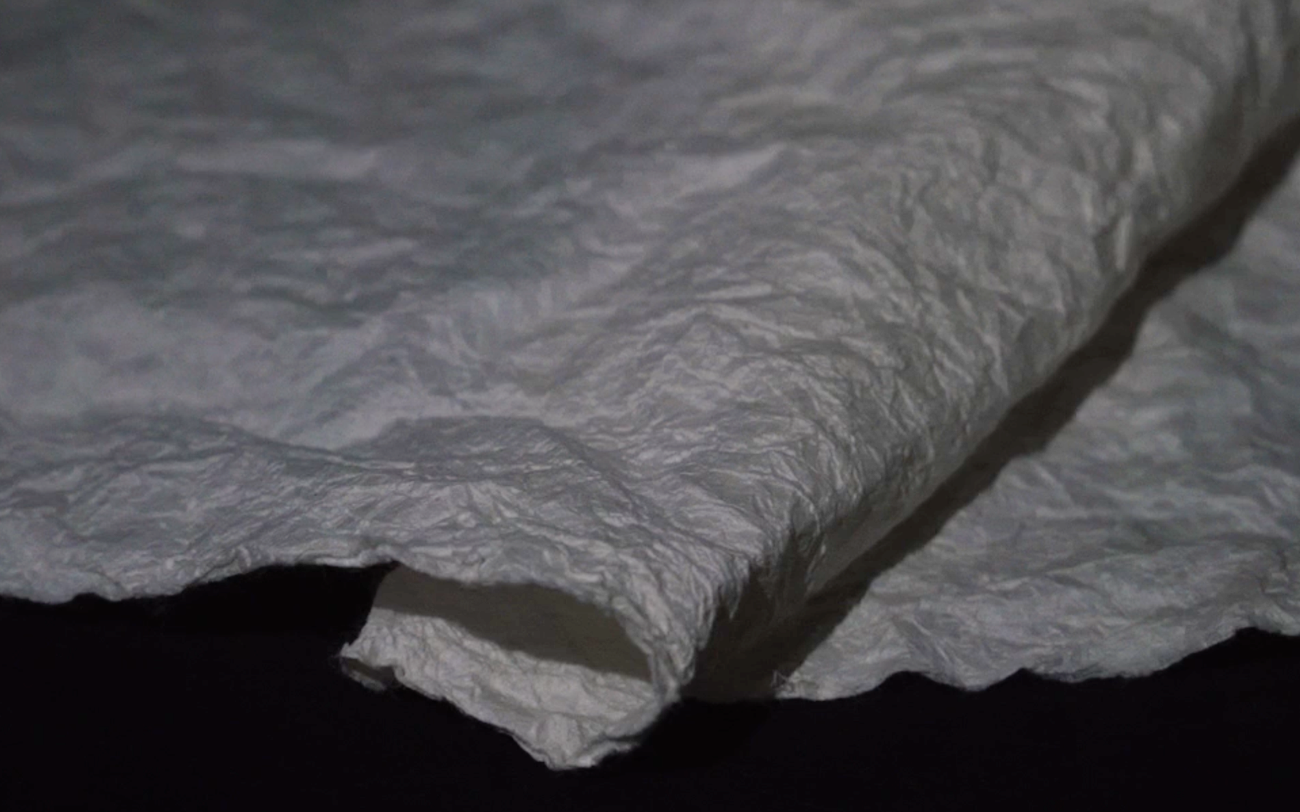
Yet, its significance transcends mere aesthetics. Its unmatched resilience made it ideal for conveying written documents, serving its purpose as official stationery.
But why did papermaking flourish in this region? It began as a necessity to sustain livelihoods during harsh winters in snow-covered areas. The mulberry trees (kozo) used for its raw material could thrive in cold climates, ensuring a stable supply of materials.
On top of that, with the drastic temperature changes, fertile soil, and pristine spring water of Shirataka's terrain, all these factors provided an ideal environment for nurturing high-quality mulberry trees.
The raw material for Miyama Washi is solely sourced from these mulberry trees. Moreover, only the outer bark, known as ‘shirotawara’ is used, making production incredibly limited. Despite this, artisans diligently adhere to the traditional method, utilizing this luxurious material to craft paper with unwavering dedication.
One unique aspect contributing to its resilience is the distinctive technique passed down in Miyama called ‘crosshatching’, where the paper is repeatedly laid and beaten vertically and horizontally. This method, resembling weaving, lends a durability that sets it apart.
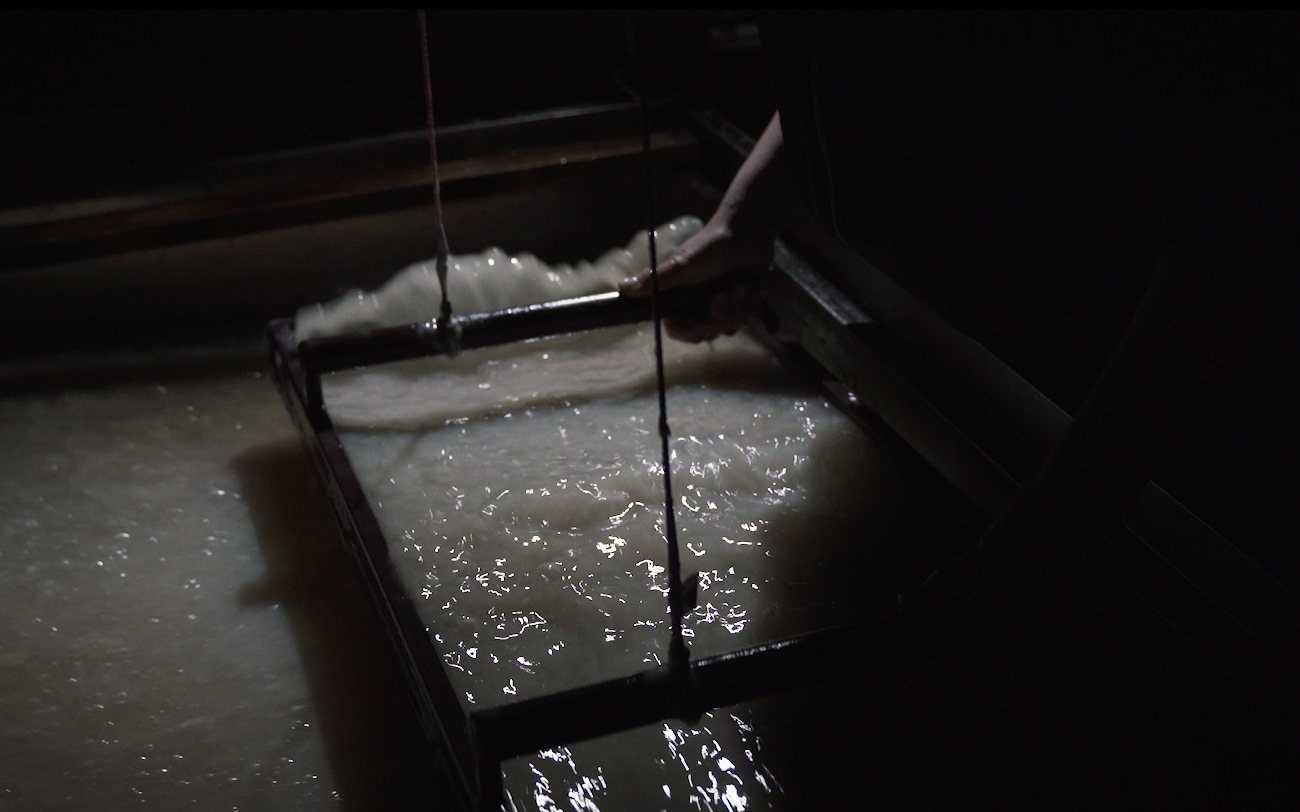
Additionally, the plant used to add viscosity to the water for papermaking, known as ‘noritsugi’, is indispensable for producing uniform, high-quality washi. Though notoriously difficult to cultivate, it was actively integrated into Shirataka's papermaking due to its miraculous natural occurrence in the region.
In 1978, the craftsmanship and quality of Miyama Washi were officially recognized when it was designated as an intangible cultural asset of Yamagata Prefecture. However, with the widespread availability of convenient Western paper, demand dwindled rapidly. Coupled with an aging workforce, Miyama Washi faced a steady decline.
Today, there's only one household preserving the tradition of papermaking in the Miyama district. The town has established centers to pass down this heritage and utilizes abandoned farmland to cultivate mulberry trees, ensuring the continuation of this rare craft into the next era.
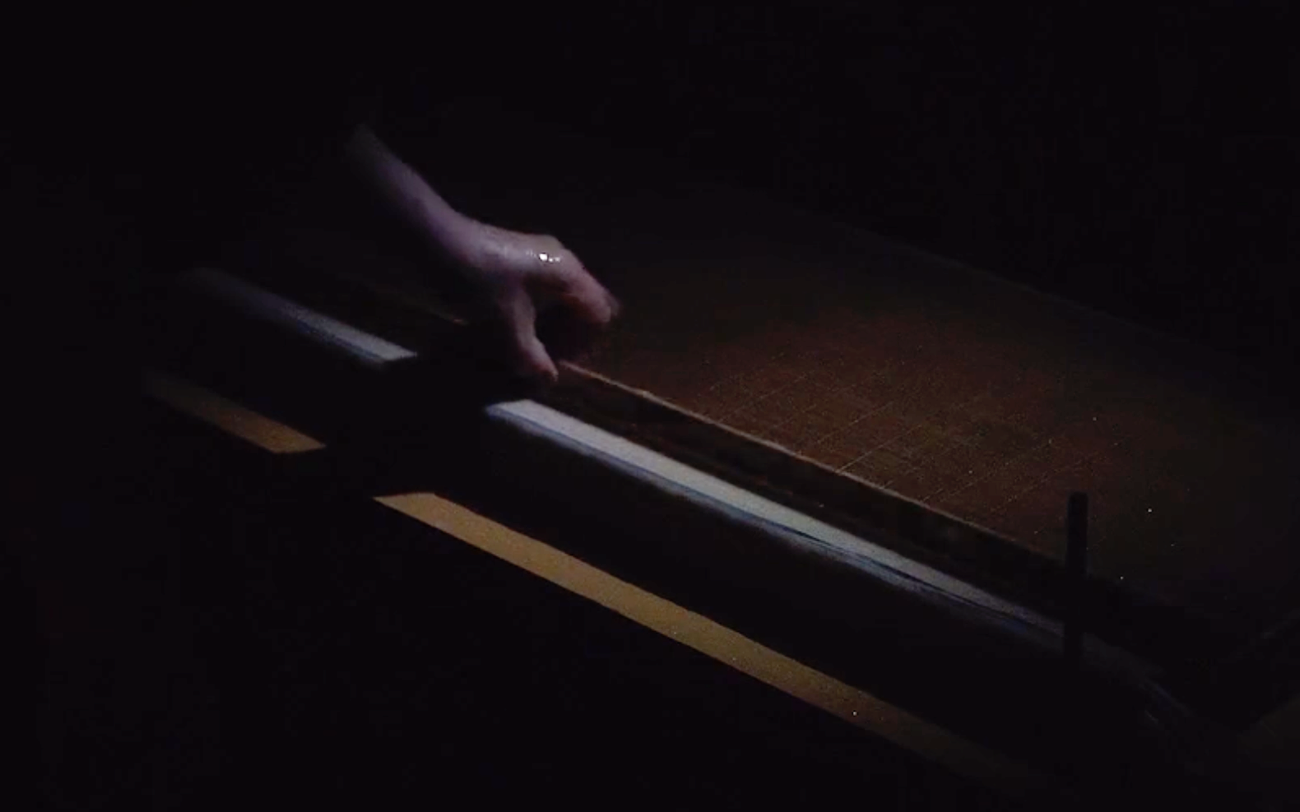
For over 400 years, the soil has nurtured the mulberry trees, and artisans have honed their skills to meticulously craft high-quality washi, ensuring the legacy of Shirataka's land endures.
This wisdom and craftsmanship, transforming nature's gifts into treasures, are endeavors meant to be passed down to future generations. From the warmth of Miyama Washi, enveloping the noble sake, one cannot help but sense this unwavering determination.
Today, Shirataka's mulberry trees hold such high value that some of the harvest is entrusted to other regions. However, the Miyama Washi chosen for KUROKOHAKU is a special edition crafted from 100% locally sourced mulberry trees, allowing one to fully savor the essence of authentic Shirataka nature.