


The Voice of the Trees Gazing upon Shirataka's Nature
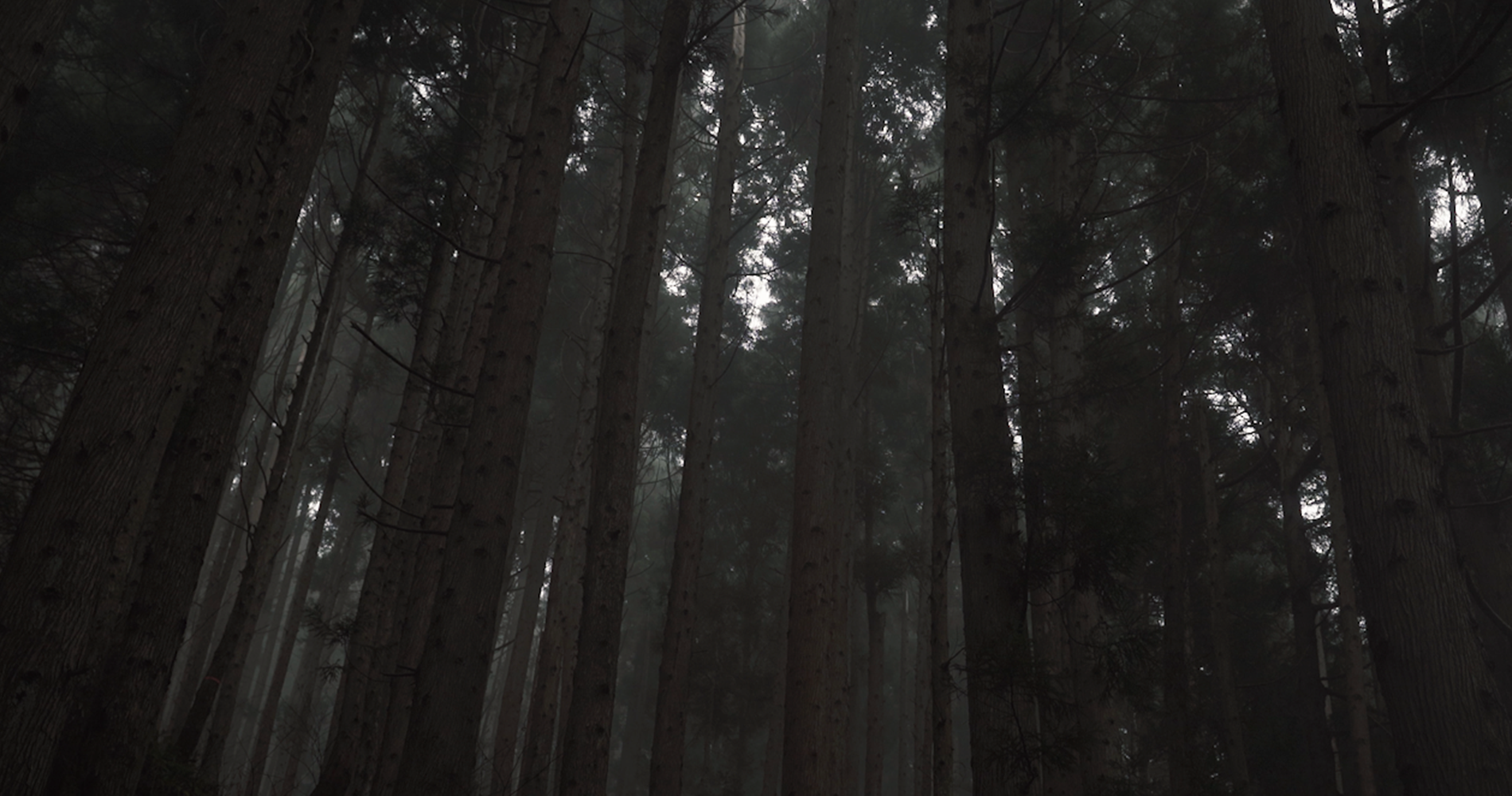
Shirataka, the birthplace of KUROKOHAKU, is a lush green land covered with forests for much of its area, making forestry a longstanding practice.
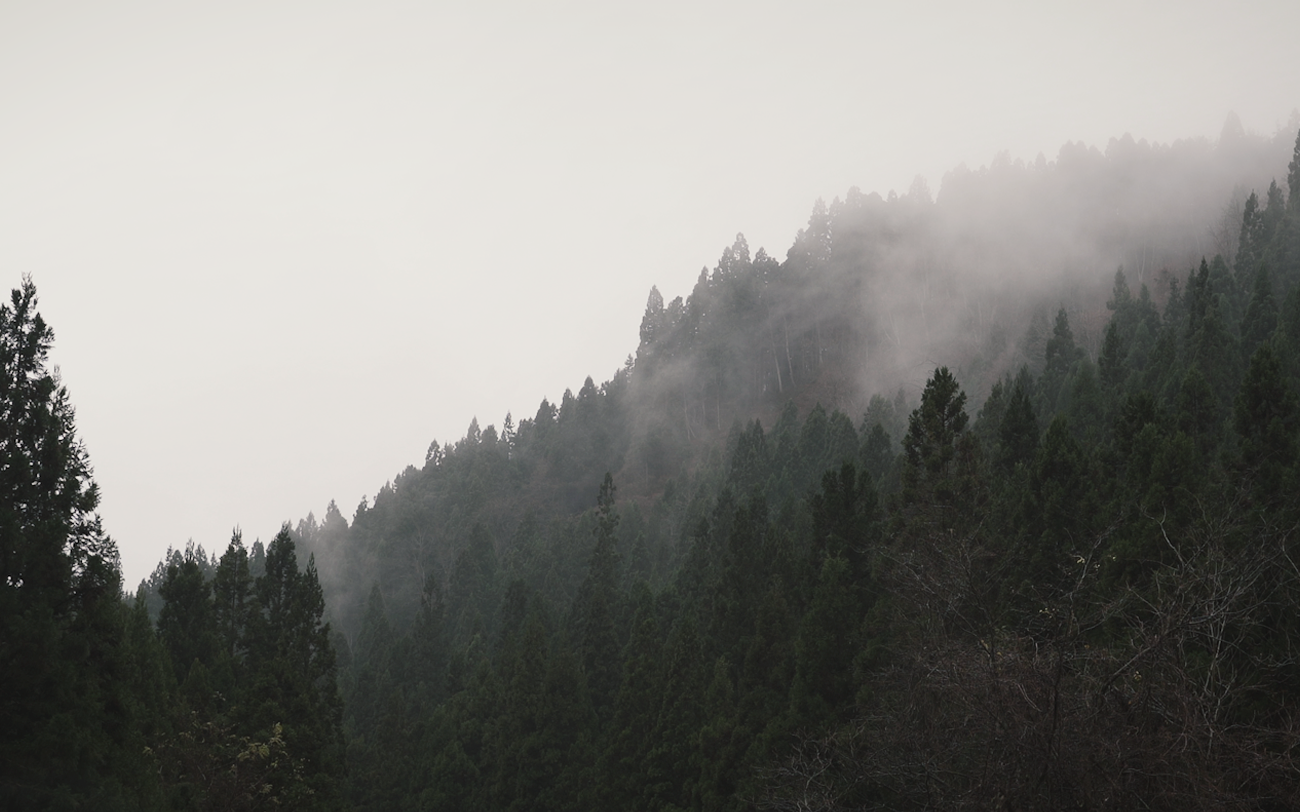
Perhaps rooted in the deep mountain faith, monuments called ‘Sokutakuto’ dot the town, expressing gratitude to felled trees and wishing for the abundant growth of newly planted ones. Fun fact: This unique culture of prayer still strongly persists in the region.
The climate in Shirataka, nestled in a basin surrounded by mountains, with its stark contrast of ‘scorching summers and harsh winters’ fosters robust and resilient cedar trees.
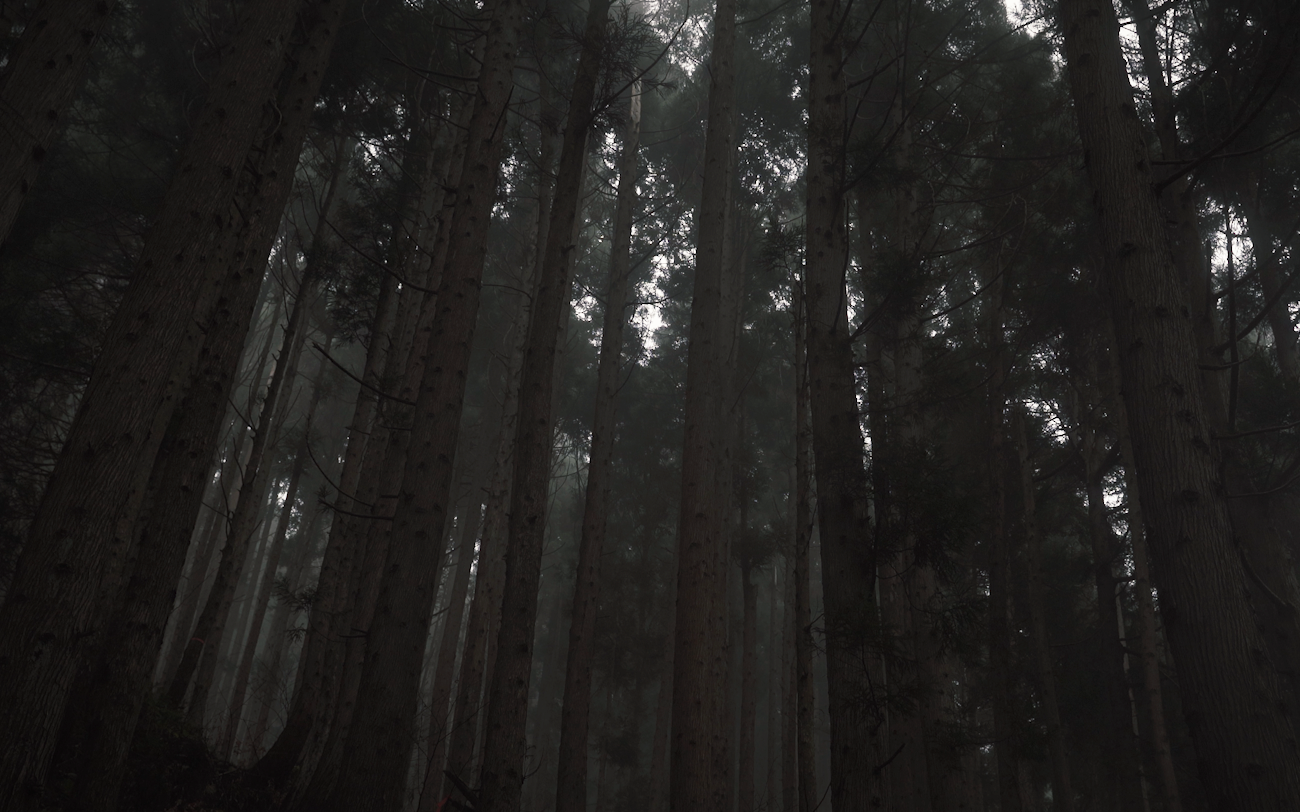
Originally, cedar was widely used for its soft material and ease of processing, but Shirataka cedar is known for its hardness.
While its robust quality was once valued and widely utilized, it dwindled in demand amid an era seeking ‘ease of mass production’. Consequently, Shirataka cedar is encouraged more for proper conservation than for utilization as timber, evolving into forests that allow water to permeate the soil and support biodiversity.
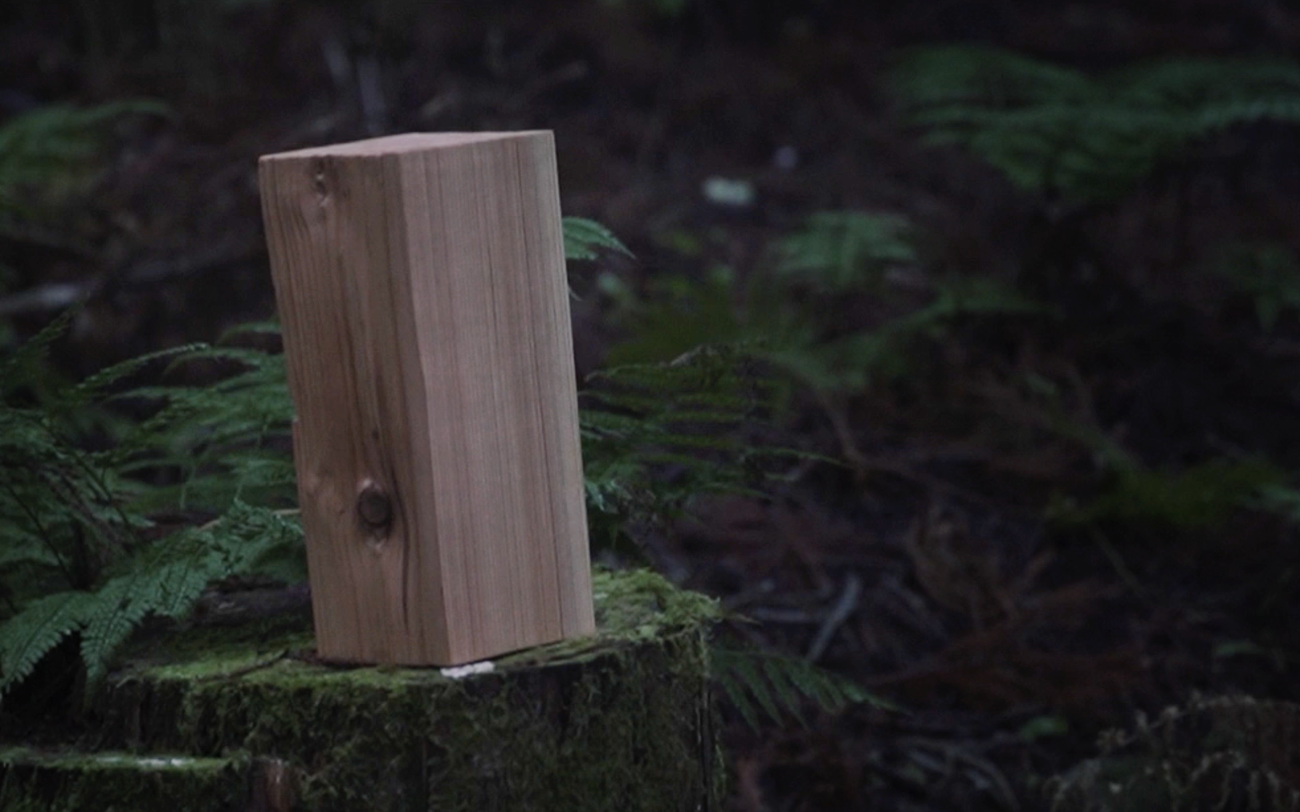
The logs serving as the boxes for KUROKOHAKU were cut from these forests of Shirataka, representing a part of Shirataka's nature that has long been the foundation of the natural cycle, supporting the creatures living in the forest.
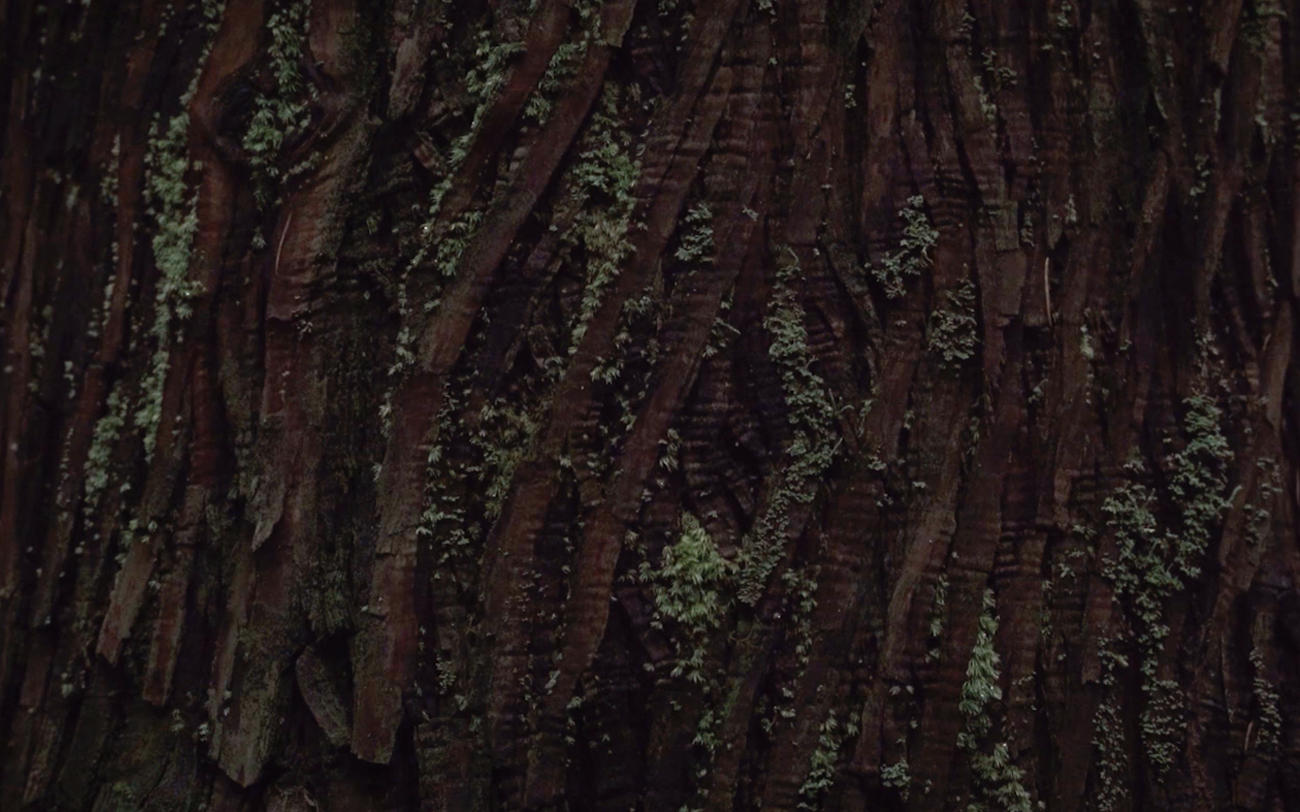
The aroma emanating from the cut section of the logs vividly portrays this. While cedar's scent is widely known to promote healing, Shirataka cedar's aroma is overwhelming. This becomes evident when compared to cedar from other regions.
Moreover, did you know that tree rings have two types of lines: dark lines (winter rings) and light lines (summer rings)?
According to Nakagawa, the craftsman who handled KUROKOHAKU's wooden boxes, the stark contrast between summer and winter rings is a distinctive feature of Shirataka cedar, far more pronounced than in ordinary cedar.
The Zao region deeply influenced by the seasons. Its harsh environment is also its richness as a natural environment. It wouldn't be an exaggeration to say that Shirataka exists in a realm that can only be reached by accepting the duality of its environment.
Surrounded by mountains, it carries the blessings of heaven and the hidden power of the soil to the Mogami River. The water, having reached the sea, returns to the sky and appears again on the mountains as rain and snow.
Confronting the Shirataka cedar, a long-standing ‘incarnation of nature’ that has carried a part of this cycle for years, is an opportunity to feel the principles of nature and contemplate how one should exist in this world shaped by myriad phenomena.